 A unit of AROGYAPRO WELLNESS PVT. LTD.

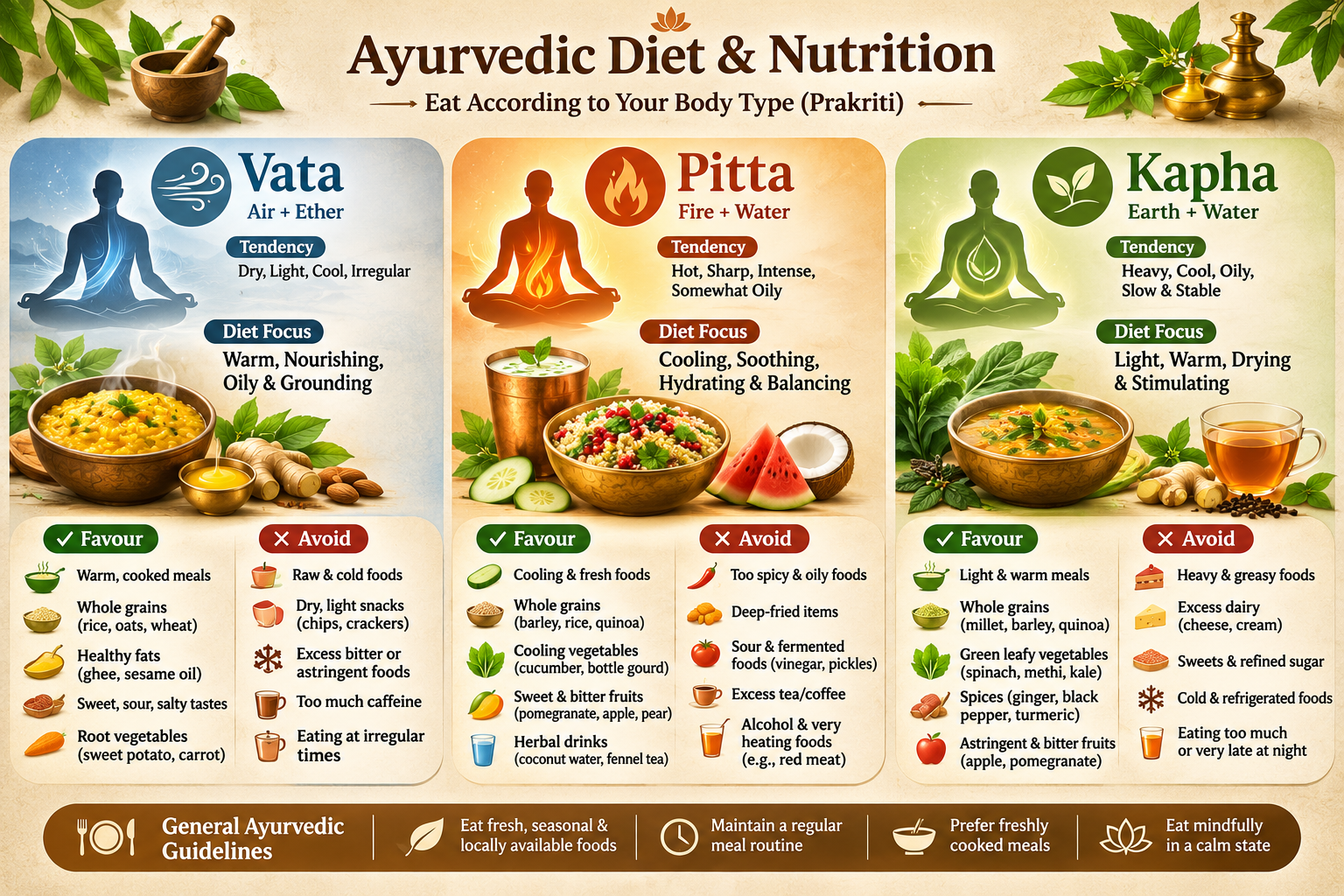
Ayurveda, the oldest known healing science, is rooted in the harmonious balance of the five essential elements — ether, air, fire, water, and earth. Originating over three thousand years ago in India, Ayurveda was born from the sacred knowledge of the Atharvaveda. Through its use of herbal, plant-based medicine and mindful nutrition, Ayurveda has proven to be a powerful path toward cultivating a balanced, healthy lifestyle for people of all ages.
Ayurvedic food and nutrition are guided by the core principles of Ayurveda, which emphasize preventing and treating illnesses by nurturing overall balance, rather than simply addressing symptoms. This holistic approach aims to maintain harmony between the mind, body, and environment, fostering true health and well-being.
The Ayurvedic diet is designed to include and avoid specific food groups based on an individual’s unique dosha and body constitution. This tailored approach aids in achieving a balanced body weight, cultivating mindfulness, and enhancing overall internal health.
An individual’s dosha is identified by carefully analyzing their emotional, mental, physical, and behavioral traits. In Ayurveda, there are three primary doshas that define the body’s natural energies

The Kapha dosha is associated with the elements of earth and water, embodying qualities such as stability, strength, calmness, and heaviness. People with a dominant Kapha dosha are often described as steady, grounded, gentle, and patient. The Kapha season is spring, a time when nature awakens and blossoms, symbolizing renewal and growth.
| Preferred Foods | Foods to Avoid |
|---|---|
| Astringent Fruits: Pears, apples, limes, berries, prunes | Sweet and Sour Fruits: Avocados, melons, papayas, dates, figs |
| Pungent & Bitter Vegetables: Cilantro, corn, beets, brassicas, leafy greens, spinach, eggplant, garlic | Sweet Vegetables: Cucumbers, squash, sweet potatoes, raw tomatoes, pumpkin |
| Grains: Barley, buckwheat, corn, cereal | Grains: Oats, rice, wheat, pasta, bread |
| Legumes: Urad dal, kidney beans, soy-based products | Legumes: Most beans, peas, and lentils |
| Dairy: Cottage cheese from skimmed milk, goat dairy products, lassi, buttermilk | Dairy: Butter, ice cream, yogurt, sour cream |
| Nuts & Seeds: Pumpkin seeds, cherole seeds, sunflower seeds | Nuts: Avocado, apricot, coconut, walnuts |
| Oils: Corn oil, canola oil, ghee, almond oil | Oils: Avocado oil, apricot oil, coconut oil, walnut oil |
| Spices: Almost all varieties of spices | Meats: Pork, red meat |
| Meats: White chicken, freshwater fish, eggs, rabbit, shrimp, turkey |
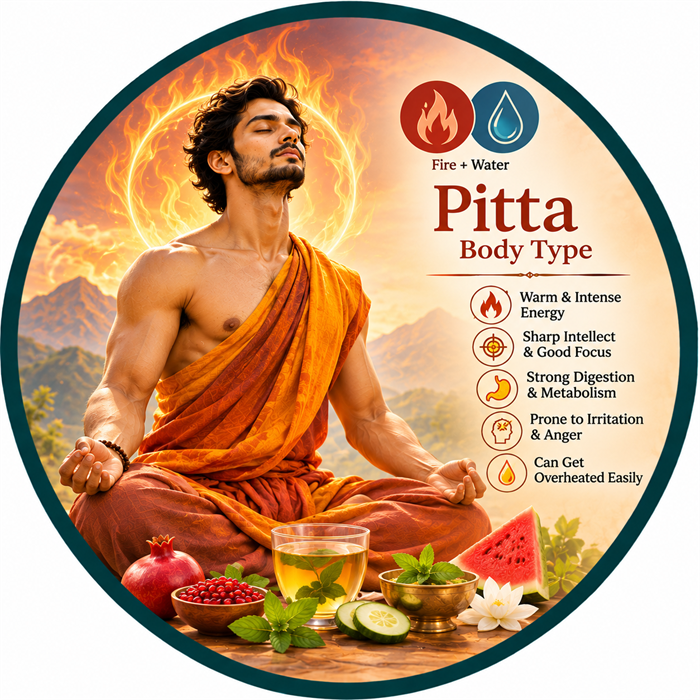
The Pitta dosha is marked by a vibrant, intense personality, fueled by the combination of fire and water elements. The summer season aligns with Pitta due to its hot, oily, fluid, and energetic nature.
Individuals with a dominant Pitta dosha are typically athletic, energetic, and natural leaders, possessing a strong and sculpted physique. They are goal-oriented, highly motivated, and competitive. However, their assertive and sometimes stubborn nature may lead to conflicts, as not everyone appreciates their intensity.
| Food Types to Prefer | Food Types to Avoid |
|---|---|
| Sweet Fruits: Apples, dates, melons, coconut, mango, pear, grapes, raisins | Sour Fruits: Tamarind, lemons, pineapple, strawberries, bananas |
| Sweet & Bitter Vegetables: Asparagus, bitter melon, cabbage, cilantro, leafy greens, parsley, potatoes, squash | Pungent Vegetables: Hot peppers, spinach, tomatoes, mustard greens, beet greens, eggplant |
| Grains: Barley, oats, rice, wheat | Grains: Millet, corn, rye, quinoa |
| Beans: Soy, black beans, kidney beans, white beans | Legumes: Soy, tur dal, miso, urad dal |
| Dairy Products: Ghee, butter, milk, soft cheese, cheese, goat milk | Dairy Products: Hard cheese, sour cream, old yogurt |
| Nuts: Almonds (soaked), coconut, sunflower seeds | Nuts: Brazil nuts, peanuts, cashews, walnuts, pistachios |
| Oils: Ghee, olive oil, coconut oil, flaxseed oil | Oils: Corn oil, sunflower oil, sesame oil |
| Spices: Coriander, cumin, peppermint, turmeric | Spices: Ajwain, garlic, hing, mustard, nutmeg |
| Meats: Buffalo, white chicken, freshwater fish, venison, rabbit, turkey, egg whites | Dark Meats: Chicken, duck, beef, seafood, turkey |
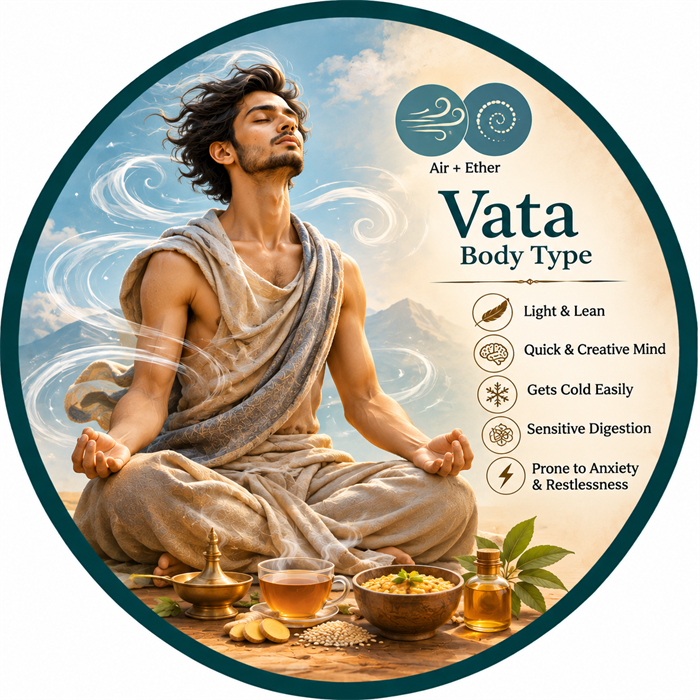
Vata Dosha is formed from the elements of air and space (ether), reflecting qualities of lightness, coolness, movement, roughness, and expansiveness. Autumn is known as the season of Vata, mirroring its cool, dry, and brisk qualities.
| Food Types to Prefer | Food Types to Avoid |
|---|---|
| Sweet Fruits: Apricots, cooked apples, papaya, grapes, peaches, mangoes, lemons, berries, pineapples, oranges, jackfruit, cherries, and more | Dried Fruits: Raw apples, pomegranate, watermelon, pears |
| Cooked and Root Vegetables: Carrots, green beans, okra, cucumber, cooked greens, beets, olives, winter squash, asparagus, squash, zucchini | Raw/Frozen/Dry Vegetables: Potatoes, bitter melon, leafy greens, raw onions, sprouts |
| Grains: Oats, rice, wheat, quinoa, amaranth | Grains: Barley, yeasted bread, millet, cereals, corn, buckwheat |
| Legumes: Red lentils, soy, tofu, tur dal, urad dal | Legumes: Beans, chickpeas, kidney beans, white beans |
| Dairy Products: Buttermilk, sour cream, yogurt, goat products, cheese, milk, ghee | Dairy: Powdered milk |
| Nuts: Most nuts are beneficial | Nuts: Flax seeds |
| Oils: Most oils are beneficial | |
| Spices: Pungent spices | Spices: Caraway |
| Meats: Beef, chicken, eggs, fish, duck, shellfish, buffalo, regular fish | Meats: Lamb, rabbit, venison, turkey |
Interested in Ayurvedic Diet & Nutrition? Share your details and our team will call you back.